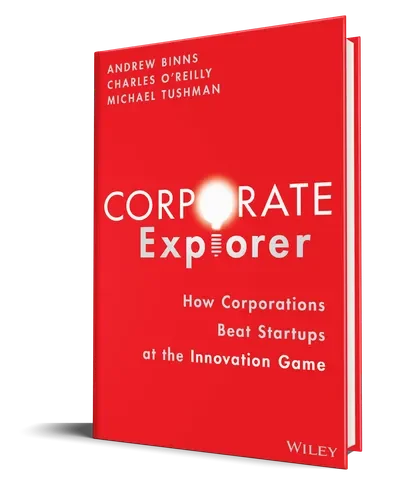
On its surface, this is not a product book. But Corporate Explorer: How Corporations Beat Startups at the Innovation Game speaks to product managers in two ways. It is filled with examples of new products being built inside established companies. And it speaks directly to the product leader who is fighting the uphill battle of bringing the product operating model to their organization.
The book’s thesis is that established companies have a distinct advantage over startups in the innovation game. They already own the necessary resources, talent, and customer bases to successfully scale new ventures. However, the authors are just as clear that some of those enablers can also trap a corporation into its old ways of working. The answer is an ambidextrous organization that can simultaneously exploit its current core business for efficiency and incremental profit while exploring new, disruptive innovations for future growth. Easier said than done, of course.
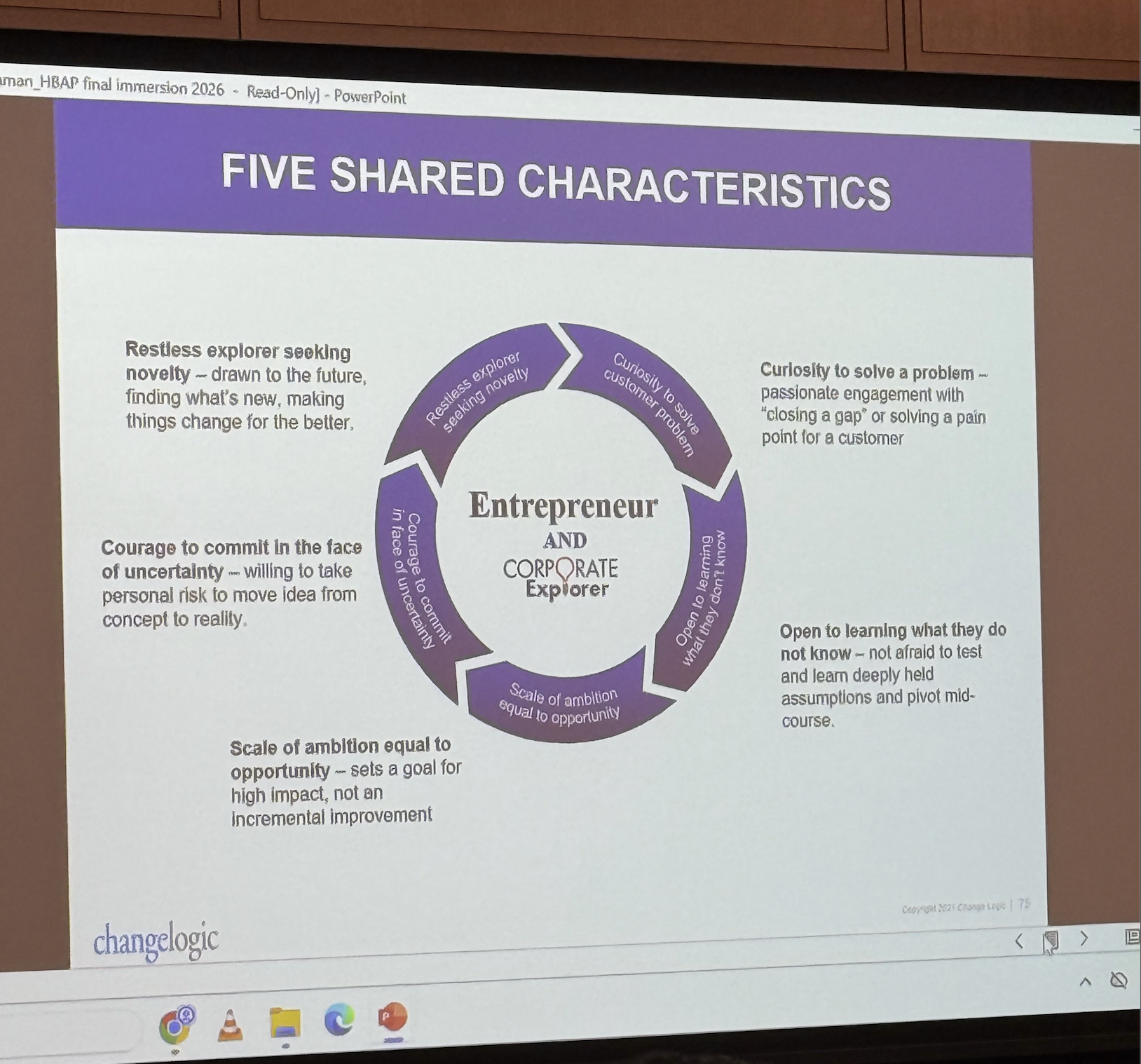
The people who take on this valuable work are Corporate Explorers. These are individuals who build new businesses inside their companies, sometimes with a formal mandate and sometimes without, using the company's own assets to move faster than a startup could. The book states, “These are leaders capable of closing the gap between knowing what needs to be done to grow new business and doing so.”
If you are a product leader trying to change how your organization builds, you may already be a Corporate Explorer.
Some interesting points for product managers:
In the beginning, work backward from the business you aim to create, not forward from the product or technology you want to sell. This orients you to the customer and the commercial proposition, and away from overindexing on a specific solution or technology too early.
Winning sponsors is key to the long term survival of any new venture. One way to recruit is to test an incomplete idea with executives and welcome them as advisors. Invite them to learn with you, and they will naturally feel more interested. At some point, a senior team will need to choose your venture over other priorities or initiatives in terms of budget or resourcing. Make sure they know why they should commit resources to you.
Be an open investigator, which means being aware of the potential biases that you bring to the work. And adopt a discipline that forces you to articulate the logic underpinning your conclusions. Then you can manage the risk that your decisions are likely biased.
Create good hypotheses about the key issues that will contribute to the venture’s commercial viability. Follow these six business design questions:
Customer selection: Who will buy and use the product?
High-value customer problem: Does this product address a problem customers care about?
Value proposition: Does this product solve the customer’s problem in a way they find compelling?
Value capture: Will this product generate enough value for the company to make it worth doing?
Ecosystem adoption: Will it be easy for customers to adopt and use this product?
Strategic control: What level of sustainable competitive advantage or differentiation can the business achieve?
Many managers in risk-averse organizations believe they are expected to choose a safe option. Risk aversion becomes a standard feature of a company’s culture, which can be unfortunate for long-term bets.
Some questions for you and your team to sit with:
In terms of making change within your organization, especially as a leader, it is important to ask the question “why are we doing this, rather than leaving it to a startup?” What is the clear reason that this corporation can achieve the necessary scale more successfully than an independent entrepreneur?
Within an org, selling the initial vision is relatively easy in comparison to the challenge of sustaining a positive view of what you are doing in the time that follows. Time to revenue doesn’t come as easily in new products or ventures and many leaders can get impatient. How can you manage the flow of bad news, making sure it is always received in a timely manner and with context?
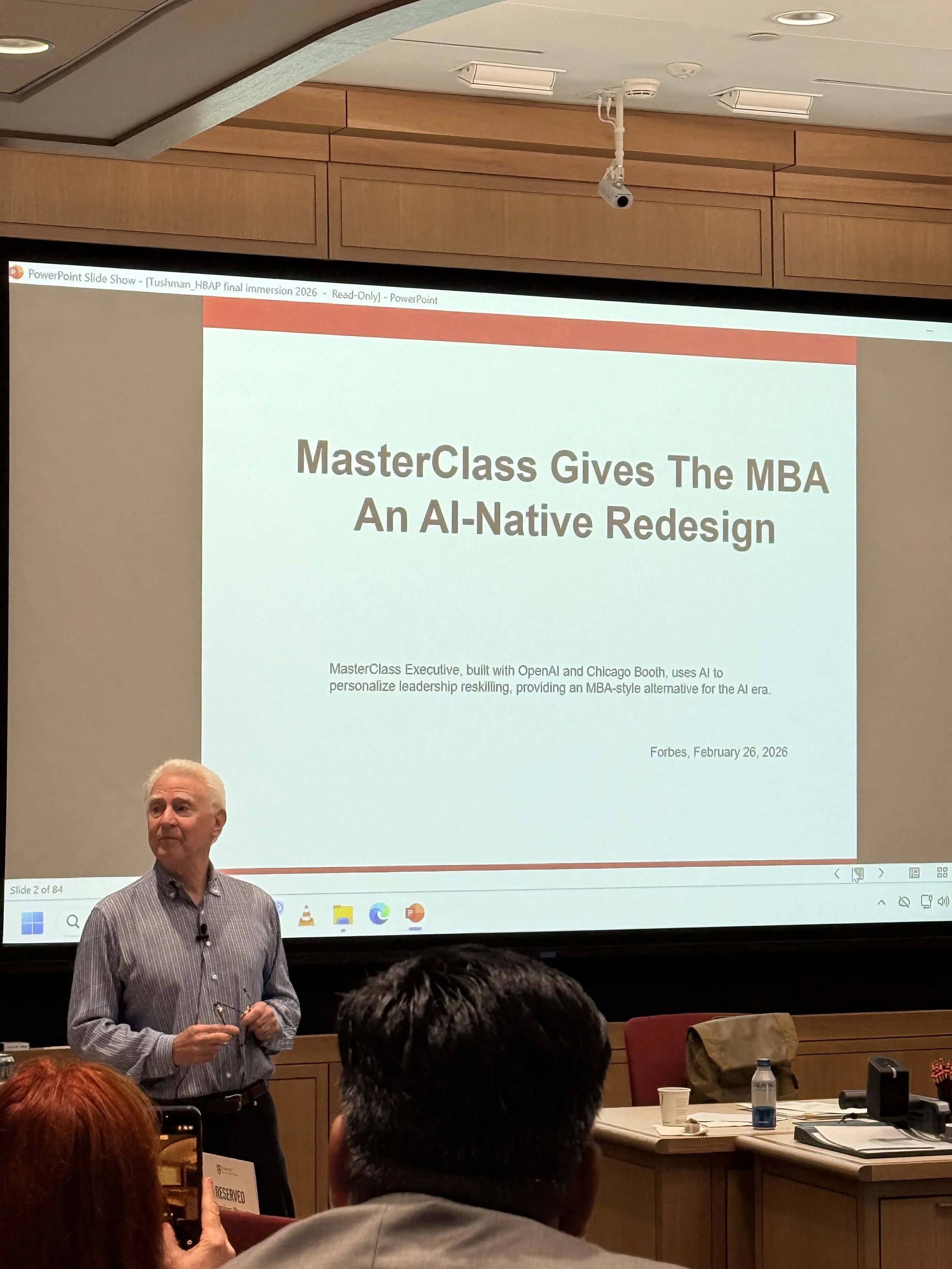
I was lucky enough to take Michael Tushman's classes at Harvard while he was developing some of these ideas and teaching case studies that appear in this book. He is an engaging lecturer, and it was an honor to learn from him. His other books, and the advisory work he co-founded with Andrew Binns and Charles O'Reilly at Change Logic, explore these ideas in more depth.
If you are leading product inside a large organization, this book gives you language for work you are probably already doing, and a sharper case for why it deserves support. If you want the practical version, the Corporate Explorer Fieldbook goes deeper on the how.